Most investment portfolios are built around assets that exist primarily on statements, platforms and screens. Shares represent ownership in companies, bonds represent debt obligations, and funds provide exposure to collections of underlying assets.
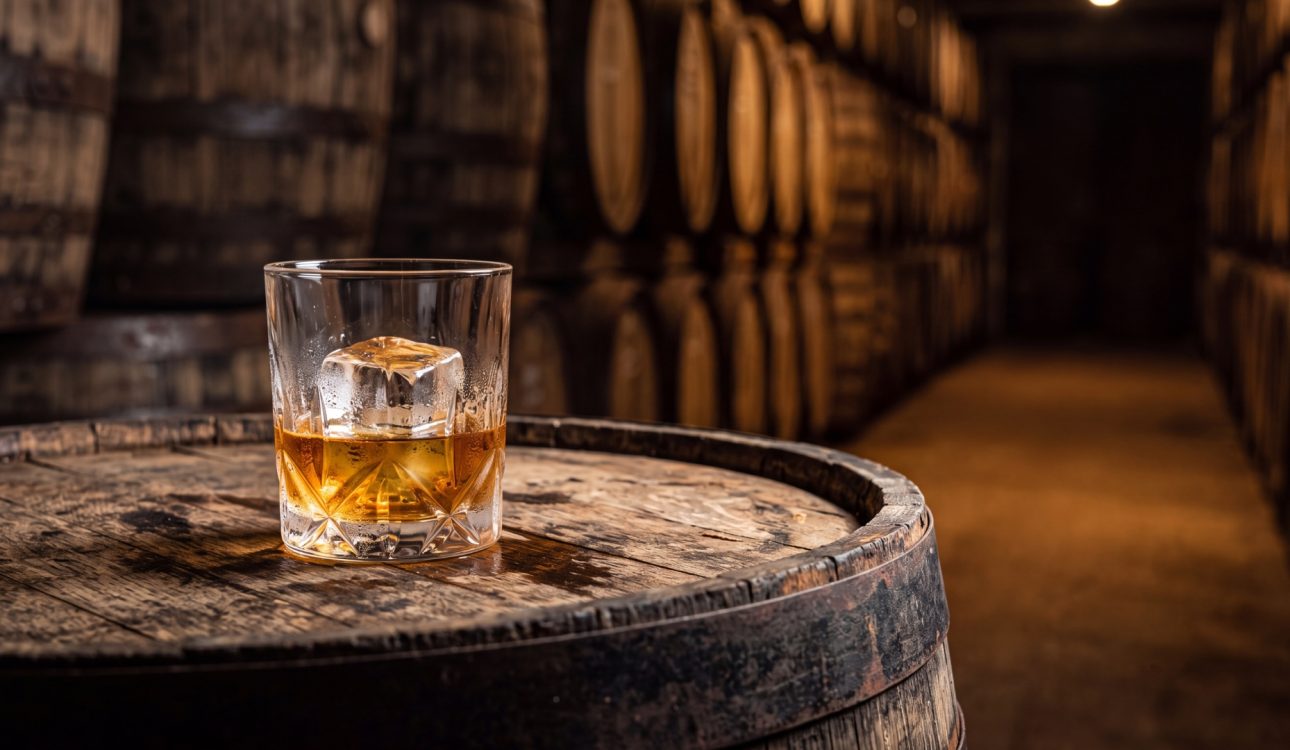
Cask whisky is different. At its simplest, an investor is acquiring a physical cask of maturing spirit held within a bonded warehouse. That cask has its own identity — typically including a distillery, fill date, cask number, cask type and storage record.
For some investors, that tangibility is part of the appeal. It is one of the reasons cask whisky is increasingly discussed alongside fine wine and other alternative assets by investors looking beyond traditional markets. But physical ownership alone does not make something a good investment. Understanding exactly what is being acquired — and what may influence its future value — is essential.
What are you actually buying?
Every whisky cask is different. Two casks filled at the same distillery on the same day may still mature differently because of their size, wood type, previous contents, warehouse conditions and the characteristics of the spirit inside them. Those differences can become important over time. A prospective buyer should therefore be able to understand the identity of the asset they are acquiring, including information such as its distillery, filling date, cask type, current storage location and relevant ownership documentation.
This creates a degree of traceability that can be particularly valuable within a specialist market. However, paperwork should always be carefully verified. A warehouse record or cask number alone should not be treated as a substitute for clear evidence of ownership, provenance and the contractual terms governing the asset.
Why does supply reduce over time?
One characteristic of whisky is that a particular production run cannot simply be recreated years later. As stock ages, casks may be bottled, sold into blends, transferred between owners or otherwise leave the available market. At the same time, maturation naturally reduces the volume of spirit remaining inside each cask through evaporation — commonly known as the Angel’s Share.
This means the number of comparable older casks from a particular distillery or production period may reduce over time. That finite supply can contribute to desirability, particularly where it is combined with a respected distillery, strong provenance and genuine buyer demand. But scarcity should never be considered in isolation.
Scarcity does not automatically create value
A rare asset is only valuable if somebody wants to buy it. Demand for whisky can be influenced by a wide range of factors, including distillery reputation, age, cask type, provenance, quality, alcohol strength, market conditions and the number of potential buyers when an owner eventually decides to sell.
An unusual or limited cask therefore does not automatically become a valuable one simply because time has passed. This distinction is important for investors. Scarcity can support desirability, but the market ultimately determines the price.
How are whisky casks valued?
Unlike listed shares or funds, whisky casks do not trade on a single transparent exchange with a continuously quoted market price. Valuations may instead be informed by brokered transactions, private sales, dealer activity, auction evidence and comparable assets within the market. That makes valuation more nuanced.
Two parties may reach different views on the value of the same cask depending on the information available, the intended buyer market and the comparable transactions being considered. Before acquiring a cask, investors should therefore understand how the proposed valuation has been reached.
Useful questions include: What comparable sales support the price? How liquid is the market for this particular distillery or type of cask? And what costs may ultimately be involved when the asset is sold?
Transparency at the point of purchase matters because the price paid at the beginning can have a significant influence on any eventual outcome.
Cask or bottle?
Cask whisky and collectible bottled whisky are related markets, but they are not the same. A cask can remain in bonded storage and may be transferred or sold as a whole without first being bottled.
For owners who eventually decide to bottle the whisky, however, additional considerations arise. Bottling, packaging, transport, duty, VAT where applicable and other associated costs can all affect the economics of that route.
Bottled whisky may also appeal to a different buyer market, including collectors and consumers, while whole casks are typically traded through more specialist channels. Neither route is automatically better. The appropriate exit will depend on the individual asset, market conditions, ownership structure and the objectives of the investor.
Time is not a strategy on its own
Whisky requires time to mature, but investors should be careful not to assume that age automatically translates into increased value.
As spirit remains in the cask, its character develops and its available volume gradually changes. Older whisky can command significant premiums in some parts of the market, but age remains only one consideration.
A cask acquired at an inflated price, held within a weakening market or associated with a distillery that fails to attract future buyer demand may not achieve the result an investor originally expected. The condition and characteristics of the spirit also matter. Long-term ownership therefore needs to be supported by careful asset selection and regular review rather than a simple assumption that waiting longer will always produce a better outcome.
What should investors check before buying?
Before acquiring a whisky cask, several areas deserve particular attention.
Provenance and documentation: Can the cask and its history be clearly verified?
Ownership: What documentation establishes the investor’s legal interest in the cask, and what exactly is being transferred?
Storage: Where is the cask held, under what warehouse arrangements, and what ongoing storage or insurance costs apply?
Cask characteristics: What is the distillery, age, cask type, current alcohol strength and condition of the spirit?
Valuation: What evidence supports the purchase price?
Fees: What storage, administration, insurance, brokerage or transaction charges may apply during ownership and eventual sale?
Exit strategy: Who is the likely future buyer, through which market might the cask be sold, and how liquid is that market?
These questions may not make cask whisky simple, but they help investors approach the market with greater clarity.
Understanding the trade-off
Cask whisky is not an income-producing investment. There are no dividends or interest payments while the asset is held.
The market can also be less liquid than traditional investments, meaning an owner may not always be able to sell immediately at their preferred price.
Storage and other ongoing costs can accumulate over time, and values can move in either direction. Those characteristics do not necessarily make cask whisky unsuitable as an alternative asset, but they do mean it should be approached with realistic expectations.
Its appeal lies in the combination of tangible ownership, heritage, finite supply and exposure to a specialist global market — not in any guarantee of future appreciation.
The Fine Worth perspective
At Fine Worth, we believe cask whisky should be understood before it is acquired. The strongest investment case is not simply that a cask is physical, old or scarce. It is the combination of factors surrounding the individual asset: provenance, distillery reputation, quality, cask characteristics, storage, acquisition price and potential future demand.
That is why sourcing and due diligence matter. A clear paper trail helps establish what an investor owns, but understanding why somebody may want to buy that asset in the future is equally important. Our approach is centred on helping clients navigate those considerations, from sourcing and provenance through to secure storage, ongoing portfolio guidance and eventual exit planning.
A whisky cask may be a physical asset, but informed ownership depends on far more than the barrel itself. For investors considering cask whisky as part of a broader alternative-asset strategy, the starting point should always be the same: understand the asset, understand the market and understand the route to exit before committing capital.
Request Your Complimentary Whisky Investment Guide
Fine Worth provides access to professionally sourced whisky cask opportunities supported by bonded storage, market expertise, and long-term portfolio guidance.
Click here to request your complimentary Whisky Investment Guide and learn more about the growing global demand for aged Scotch whisky.
Whisky and fine wine values can rise or fall. Past market performance, scarcity or historical valuations are not indicative of future returns, and investment outcomes are not guaranteed.