Billions of bottles of wine are produced around the world each year. Only a very small fraction of them are ever considered investment-grade.
The term is used often, but rarely explained. It does not simply mean expensive, old or famous. Investment-grade wine describes a narrow group of wines with the characteristics that allow them to hold a meaningful place in the secondary market over time.
Understanding what those characteristics are is the first step for anyone considering fine wine as an alternative asset. Below, we look at the factors that separate a desirable bottle from a considered investment.
Not every fine wine is an investment wine
Many excellent wines are made to be enjoyed rather than traded. Quality matters, but it is only the starting point. Investment-grade wines tend to come from highly regarded producers with long-established reputations. Collectors, merchants, and auction houses across multiple markets recognise their names, not just one.
Just as important is a recognised secondary market: clear evidence that the wine is bought and sold after release, with a track record that helps buyers and sellers understand its value. A prestigious wine with little trading history may be admired, but it can be difficult to price and harder to sell.
Prestige alone is not enough. The wine must also have the right market characteristics.
Scarcity plays a major role
The finest wines are produced in limited quantities. A single estate can only grow so many grapes on its vineyards, and each vintage can never be made again.
Availability then reduces further over time. As bottles are opened and enjoyed, fewer remain in circulation, particularly from older and more celebrated vintages.
For sought-after producers and vintages, that combination of finite supply and sustained demand can make scarcity increasingly important. But scarcity should never be considered in isolation. A rare wine only holds value if there are buyers who want it, which is why reputation and demand matter just as much as supply.
Provenance and condition are essential
Collectors and investors need confidence that a wine is authentic, correctly stored and fully traceable. In fine wine, the history of a bottle can matter almost as much as what is inside it.
Provenance covers where a wine has come from and every place it has been since release. A clear, documented chain of ownership reassures future buyers and helps protect against counterfeits.
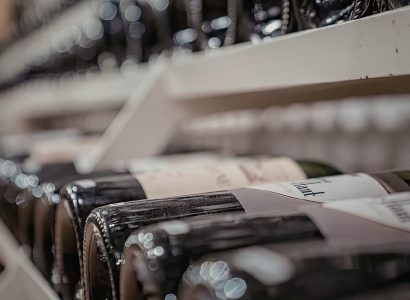
Condition reflects how well that wine has been looked after. Fine wine is sensitive to temperature, light, humidity and movement, which is why professional bonded storage is so widely used. Fill levels, labels, capsules and original packaging can all influence how a bottle is viewed.
A prestigious bottle with uncertain provenance or a poor storage history can be far less desirable than one with a clear, documented past.
Questions to ask before acquiring fine wine
Before considering a wine as an asset, these areas deserve careful attention.
Producer: Is the estate consistently sought after by collectors in more than one market?
Vintage: How is the year regarded by critics and the trade, and how is the wine expected to age?
Secondary market: Is there clear evidence of the wine trading after release?
Provenance: Can the wine’s history, from release to today, be documented?
Storage and condition: Where has it been kept, and is it in a state future buyers will accept?
Price: What recent transactions support the price being paid?
Costs and exit: What storage, insurance and sale costs apply, and who is the likely future buyer?
These questions won’t remove every uncertainty, but they help separate a wine that is simply admired from one with a genuine place in the market.
The Fine Worth perspective
At Fine Worth, we believe investment-grade wine is defined by a combination of factors, never a single one. Producer reputation, scarcity, provenance, condition and market demand each matter, but it is how they work together that separates a desirable bottle from a considered investment asset.
That is why selection sits at the heart of our approach. A great label does not guarantee a good acquisition, and the price paid at the outset can shape every outcome that follows. We help clients work through those considerations, from sourcing and provenance through to bonded storage, ongoing portfolio guidance and eventual exit planning.
Fine wine rewards understanding. For anyone exploring it as part of a wider alternative-asset strategy, the starting point should always be the same: understand what makes a wine investment-grade, understand the market it trades in, and understand the route to exit before committing capital.
Request your complimentary Investment Guide
Fine Worth provides access to professionally sourced fine wine, supported by bonded storage, market expertise and long-term portfolio guidance.
Request your complimentary Investment Guide to learn more about how the fine wine market works and what to consider before you invest.
Fine wine and whisky values can rise or fall. Past market performance, scarcity or historical valuations are not indicative of future returns, and investment outcomes are not guaranteed.